

















Ten Years After the Earthquake: Experts Discuss What We’ve Learned and What’s Missing
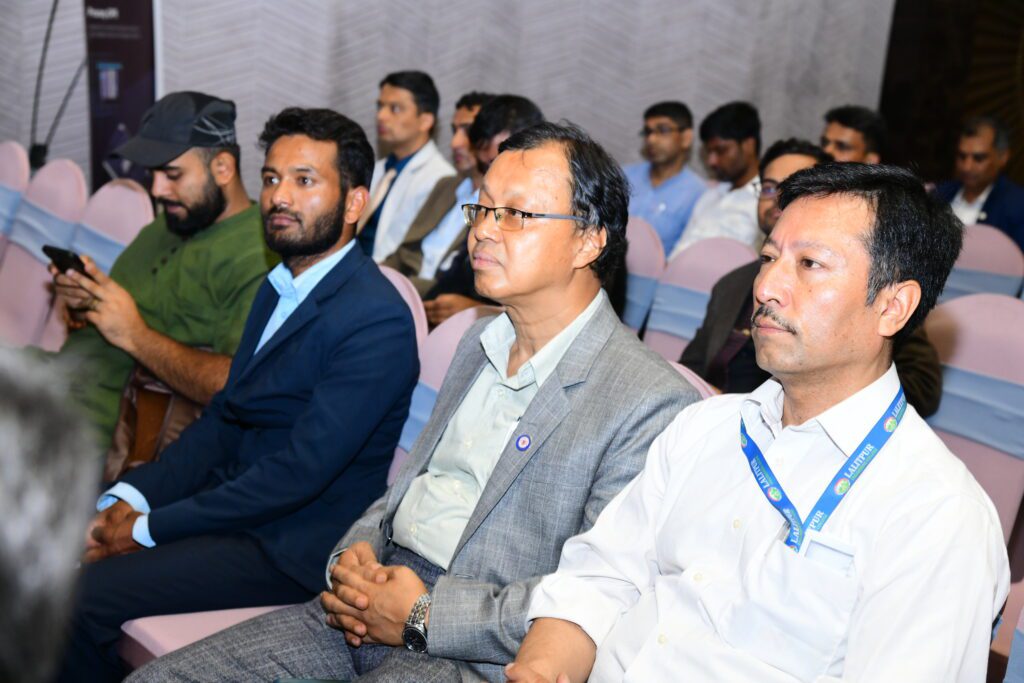
Pulchowk, Lalitpur – The Nepal Geotechnical Society (NGS) celebrated its 31st anniversary with a high-impact national symposium centered on the theme: “Geohazards and Geotechnics: Ten Years of Learnings and Rebuilding from the 2015 Gorkha Earthquake.” Held at The Plaza, Pulchowk, the symposium convened over 300 participants, including engineers, geoscientists, urban planners, researchers, policy-makers, and representatives from professional and governmental institutions.
The event served as a reflective platform on Nepal’s reconstruction trajectory in the decade since the devastating 2015 Gorkha Earthquake, while also setting a proactive agenda for geotechnical preparedness amid emerging threats such as climate-induced hazards and unregulated urban expansion.

Keynote Insights and Technical Dialogues
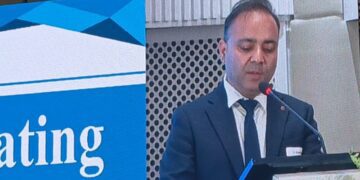
Delivering the presidential keynote, NGS President Dr. Mandip Subedi underlined the critical lessons learned over the past decade. He emphasized the continued gaps in risk-sensitive urban planning, the urgency of advancing site-specific geotechnical practices, and the necessity of integrating local knowledge with scientific engineering solutions.
Read here: Never Forget the Quake- Build Back Stronger: Dr. Mandip Subedi

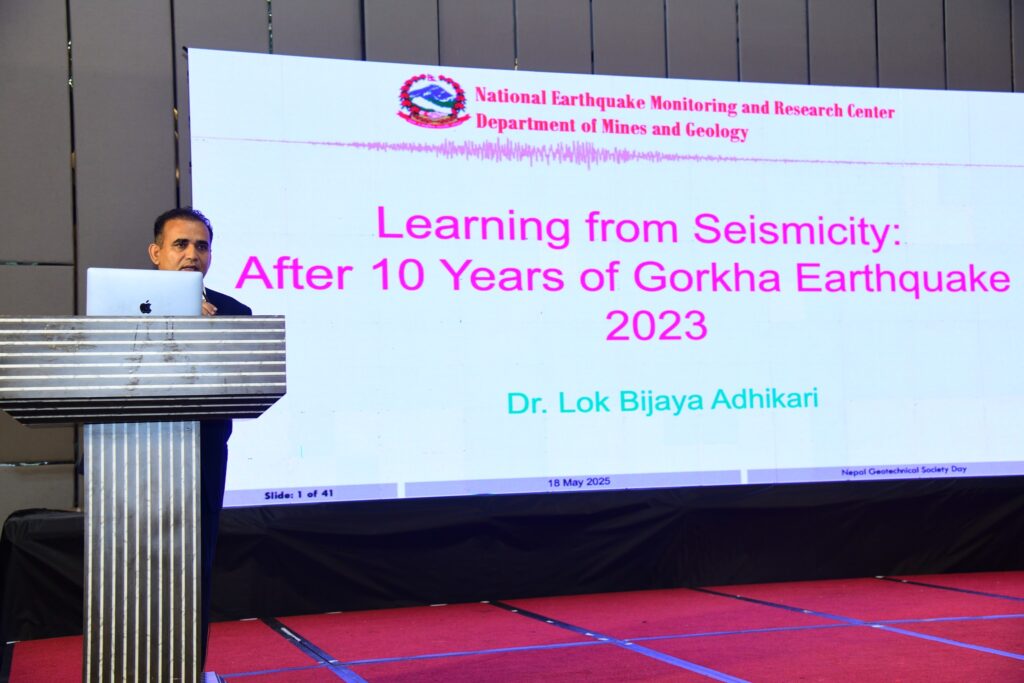
Renowned seismic expert Dr. Lok Bijaya Adhikari delivered a memorial lecture that dissected seismic data trends and soil response patterns over recent years. His presentation provided crucial insights into how soil behavior during earthquakes must inform the future of Nepal’s structural designs.
Read here: Earthquakes Still Loom: Gorkha Was Just a Chapter, Not the End- Dr. Lok Bijay Adhikari
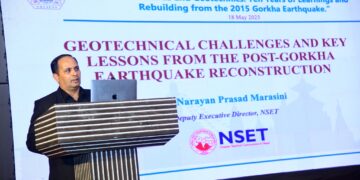
Similarly, Dr. Narayan Prasad Marasini, Deputy Executive Director at National Society for Earthquake Technology-Nepal (NSET), offered a deep dive into engineering responses and policy bottlenecks observed during Nepal’s reconstruction process. Drawing from his widely cited observations, also recently featured on Tourshala.com, Dr. Marasini reiterated that “earthquakes no longer only bring devastation, but also open avenues for technological innovation.” He warned, however, that Nepal still lacks sufficient geotechnical integration in its development policies.
Read here: Earthquakes Bring Not Only Risk but Also Innovation in Technology: Dr. Marasini

Panel Discussions and Policy Reflections
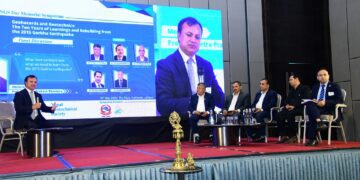
A high-level panel moderated by Prof. Netra Prakash Bhandary tackled the timely question: “What have we learned and what do we still need to learn from the 2015 Gorkha Earthquake?” Panelists included top engineers, academics, and government representatives, who acknowledged improvements in institutional and policy frameworks. Yet, they warned of persistent risks, including aging infrastructure, landslide threats, and the accelerated impacts of climate change.

New Initiatives and Announcements
The event also witnessed several key announcements:
GeoMandu 2026, the third edition of NGS’s international conference series, was officially announced. Organizers recalled the success of GeoMandu 2024, which saw over 500 attendees, including 200 international delegates. Four volumes of technical proceedings, containing more than 120 papers, are being published by Springer.

A new disaster analysis book was unveiled, edited by Prof. Bhandary, Dr. Subedi, and Dr. Rajan KC. Dedicated to victims of recent geo-disasters, the book offers a comprehensive review of geotechnical trends, case studies, and infrastructure planning guidance over the past five years.

NGS General Secretary Er. Uday Raj Neupane presented the society’s annual report and announced a Memorandum of Understanding (MoU) with the Society of Consulting Architectural and Engineering Firms (SCAEF) to bolster interdisciplinary collaboration in disaster risk reduction.

Cultural Elements and Community Engagement
The formal program featured remarks by Er. Keshab Kumar Sharma, Secretary of the Ministry of Physical Infrastructure and Transport, who served as Chief Guest. Special Guest Prof. Sushil Bahadur Bajracharya, Dean of the Institute of Engineering, reaffirmed the need for academic institutions to support policy-linked technical innovation.

The ceremony honored distinguished professionals for their contributions to geotechnical engineering, followed by a poster and photography exhibition showcasing work by students and professionals on the theme of geohazards and resilience. Selected entries will be published in the forthcoming issue of the NGS Newsletter.
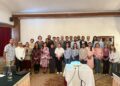
The day concluded with a group photo session and a cultural dinner, celebrating both tradition and technical advancement.

A Call for Integrated Action
Organizers and speakers emphasized that as Nepal faces intensifying threats from climate change, fragile topography, and unchecked urbanization, platforms like NGS Day are more vital than ever. They called for geotechnical knowledge to be not just celebrated but institutionalized—across policy, education, and grassroots implementation.














Discussion about this post