



















“Without integrating the advancement of geotechnical science into policy-making, sustainable reconstruction and disaster preparedness are not possible.” – Dr. Narayan Prasad Marasini

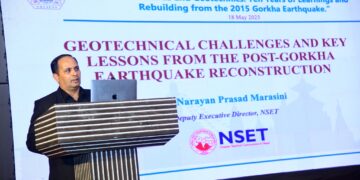
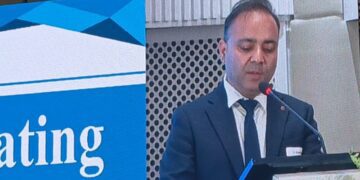
Kathmandu, Baisakh 5 – Dr. Narayan Prasad Marasini, Deputy Executive Director of the National Society for Earthquake Technology–Nepal (NSET), emphasized that the post-Gorkha Earthquake reconstruction process highlighted the critical importance of geotechnical science in Nepal, yet the country still lacks adequate policy, knowledge, and structural preparedness in geotechnical engineering.
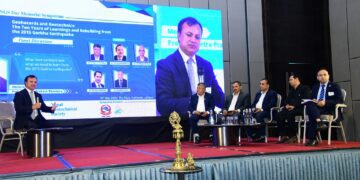
Speaking on the topic “Geotechnical Challenges and Engineering Lessons from the Post-Gorkha Earthquake Reconstruction” during the 31st anniversary celebration of the Nepal Geotechnical Society (NGS), Dr. Marasini made these remarks.

He explained that while Nepal’s death toll from the 2015 Gorkha Earthquake was comparatively lower than in similar earthquakes in other countries, delays in reconstruction strategy, lack of technical expertise, and slow institutional formation hindered long-term sustainable recovery.
“In Pakistan, ERRA was formed within two weeks after the 2005 earthquake. Gujarat also formed GDSMA within two weeks. But in Nepal, it took eight months to form the NRA,” said Dr. Marasini.
He added, “Before the Gorkha Earthquake, geotechnical engineers were not involved in infrastructure design and planning – and unfortunately, the situation has not significantly changed even now.”
Earthquakes Don’t Just Destroy – They Spark Innovation
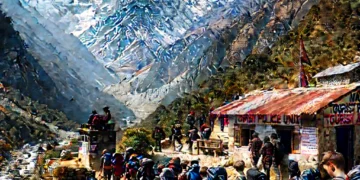
Dr. Marasini described the geohazards witnessed after the Gorkha Earthquake – such as rockfalls, landslides, and liquefaction – as key engineering lessons. He expressed concern that the scientific study and management of such hazards still remains inadequate.
“The belief that earthquakes only bring destruction is outdated. Earthquakes also offer opportunities for innovation and the chance to build safer infrastructure,” he stressed.
He pointed out that landslide events have increased significantly across Nepal since the 2017 local elections, attributing the rise to uncontrolled use of bulldozers, changes in rainfall patterns, and the country’s geophysical sensitivity.

Policy Reform and Future Priorities
Dr. Marasini called for the expansion of geotechnical knowledge and the institutionalization of geotechnical science in national policy frameworks. His key recommendations included:
- Scientific mapping of landslide risk zones
- Implementation of slope reinforcement technologies
- Promotion of geotechnical research and expert involvement
- Development of sector-wise geotechnical standards and protocols
- Seismic microzonation mapping in urban areas
- Comprehensive national geohazard mapping
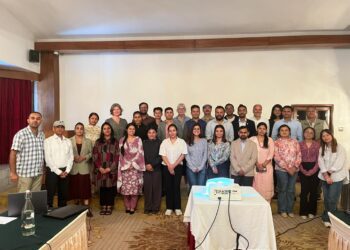
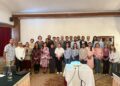
The 31st anniversary event of the Nepal Geotechnical Society (NGS) saw active participation from geotechnical engineers, researchers, and students. The program concluded with a renewed commitment to strengthen Nepal’s approach to geohazard management, disaster preparedness, and scientifically driven reconstruction.












Discussion about this post