

















Kathmandu, Nepal
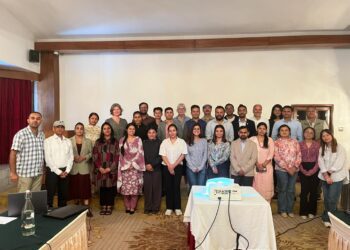
A pivotal four-day regional workshop, "Strengthening Transboundary Climate Change and Disaster Risk Reduction (DRR) Reporting in the Nepal-India Context," concluded today in Kathmandu, marking a significant step forward in climate journalism across the Hindu Kush Himalaya (HKH) region. Organized by Youth Innovation Lab (YI-Lab) in collaboration with UNESCO Nepal, the intensive program equipped 20 media professionals, including 15 from Nepal and 5 from India, with cutting-edge tools and collaborative strategies to tackle shared climate risks and disaster reporting.

The workshop honed participants’ skills in reporting on critical transboundary issues such as Glacial Lake Outburst Floods (GLOFs), unsustainable resource extraction, and extreme weather events. A strong emphasis was placed on AI-assisted journalism, data-driven storytelling, fact-checking, and fostering cross-border collaboration – essential elements for impactful media coverage in the face of escalating climate change impacts.
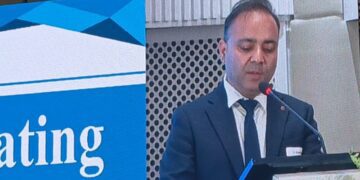
During the inaugural session, Dinesh Prasad Bhatta, Chief Executive of the National Disaster Risk Reduction and Management Authority (NDRRMA), underscored the urgency of transboundary cooperation. “Stronger coordination and cooperation between Nepal and India is essential to address transboundary climate and disaster challenges,” he stated, reaffirming his personal commitment to support these efforts.

Jaco Du Toit, UNESCO Representative to Nepal, highlighted the media’s indispensable role in building climate resilience. “Joint media initiatives can bridge information gaps, influence disaster policy, and foster accountability around unsustainable practices like sand mining,” he noted, emphasizing the power of informed narratives.

Santosh Chhetri, Board of Director at YI-Lab, welcomed participants by stressing the deep cultural, geographical, and ecological connections between Nepal and India, calling for timely sharing of climate change data and disaster risk information.

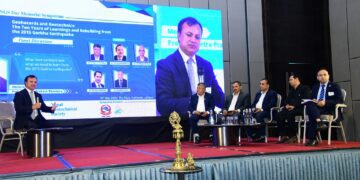
The workshop commenced with a high-level panel, “Stories Sans Borders: Strengthening Media Collaboration in Addressing Climate Change and Disaster Risks in the Nepal-India Context,” moderated by Namrata Sharma of Nepal National Commission for UNESCO. Panelists, including Bhatt, Du Toit, and senior Indian environment journalist Alok Gupta, affirmed their shared commitment to professional and personal collaboration in advancing transboundary climate change and DRR issues. The discussion thoroughly explored both the challenges and opportunities for joint media action on cross-border environmental risks.
Throughout the four days, journalists engaged in a dynamic blend of expert-led sessions and practical, hands-on training. Sessions included:
- Dr. Basanta Raj Adhikari on “Communicating Climate Science with Clarity.”
- Neera Shrestha Pradhan of ICIMOD on “Transboundary Climate Risks in the Hindu Kush Himalaya.”
- “Tackling Disinformation in DRR and Climate Change,” addressing the critical need for fact-checking in journalism.
- “Experience Sharing from the Ground” with youth climate advocate Tashi Lhazom (Nepal) and Chandrani Sinha (India).
- Santosh Chhetri on “Reader-Centric Climate Storytelling.”
- Senior journalist Kanak Mani Dixit on “Diplomacy, Treaties, and Cross-Border Journalism.”

Further enhancing their technical capabilities, participants learned about “Geospatial Tools for Climate Journalism” from Dr. Reshma Shrestha of Kathmandu University, and engaged in a “Data Story Lab” with GIS engineer Prayon Joshi to apply data-driven storytelling techniques. The integration of AI tools for DRR reporting was explored by Alok Khatri of NAAMI, complemented by Goma Karki and Sabin Dotel of YI-Lab on the “Disaster Information Management System (DIMS) for Informed Decision-Making.” Multimedia skills for resilience storytelling were sharpened by Rajneesh Bhandari, while Hari Karki and Santosh Chhetri facilitated “Joint Media Action Planning” to foster ongoing cross-border reporting collaboration.
Journalists from both nations lauded the workshop as a crucial platform to address the often-overlooked transboundary dimensions of climate change and disaster risk in the Nepal-India context. They recognized that shared challenges like GLOFs, sand mining, and erratic weather patterns necessitate shared narratives. The sessions on AI-assisted journalism, GIS mapping, and cross-border story pitching were particularly impactful, providing actionable skills and innovative ideas for their respective newsrooms. Many participants highlighted critical information gaps and reporting blind spots that only continued cooperation could resolve.

A concrete outcome of the workshop was the formation of cross-border reporting teams, with journalists committing to jointly producing in-depth stories that reflect the interconnected realities of the HKH. They also pledged to sustain their collaborations with greater institutional support and regular engagement, ensuring that voices and stories from this vulnerable region effectively shape regional climate discourse and policy.
On the final day, participants presented their collaborative story pitches, receiving valuable feedback from peers, facilitators, and experts, and committing to advance these stories in their newsrooms post-workshop.

In an era of rising transboundary climate risks and increasing public demand for reliable information, this initiative provided journalists with vital skills, digital tools including GIS, AI tools, and various local data sourcing tools from Nepal, India, and global sources. It fostered new cross-border networks essential for informing public understanding, advocating for resilient communities, and influencing policy through evidence-based climate journalism.














Discussion about this post